Automated Biometric Identification Systems (ABIS)
UBFS and ABIS
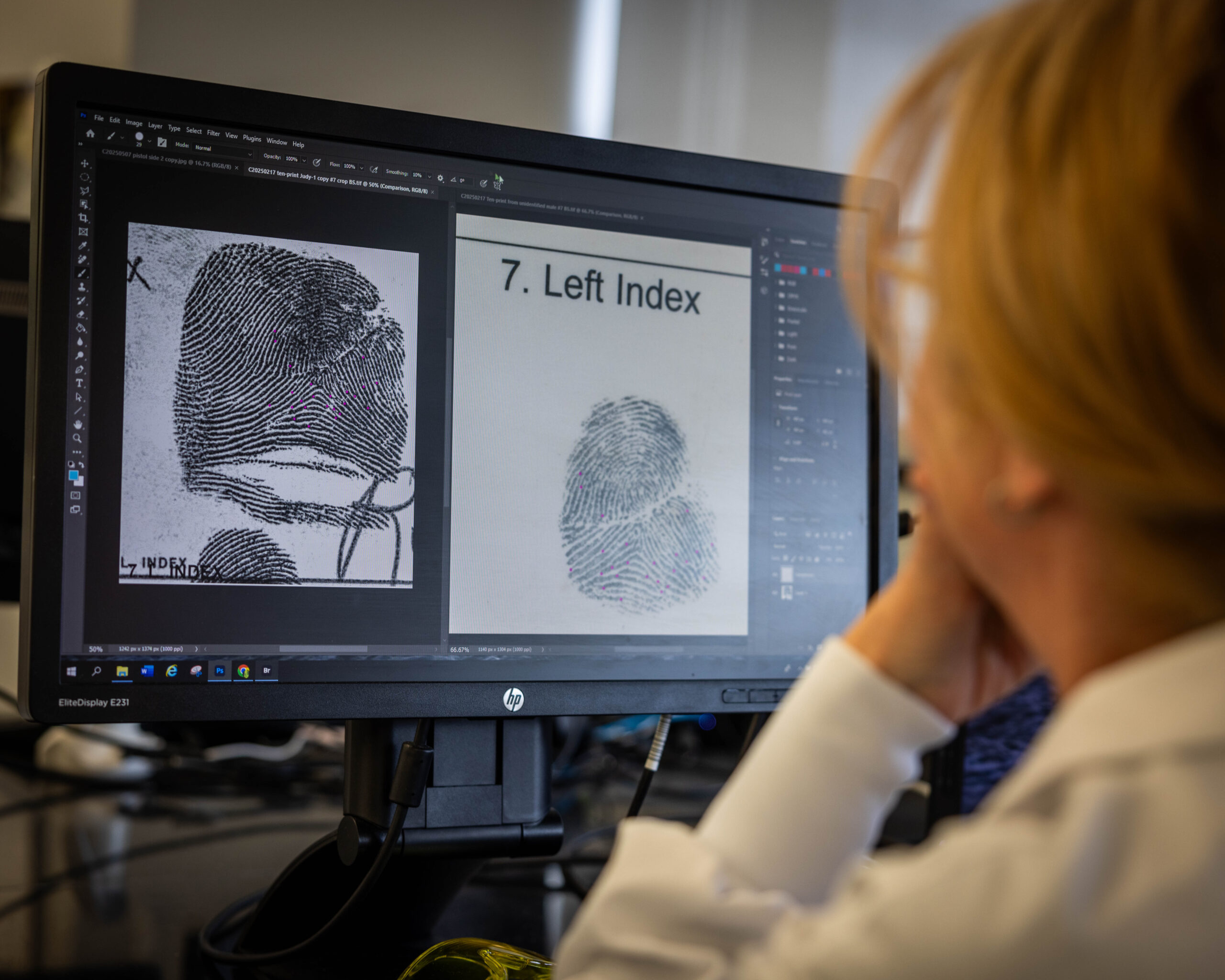
- We utilize the Automated Biometric Identification System (ABIS) to support latent print analysis. Formerly the Automated Fingerprint Identification System (AFIS), ABIS incorportates other biological identifiers in addition to fingerprints.
- ABIS facilitates the comparison of latent prints with known prints in extensive databases, assisting in suspect identification.
- ABIS also facilitates the identification of human remains from the Office of the Medical Examiner, using the same databases.
What is ABIS?
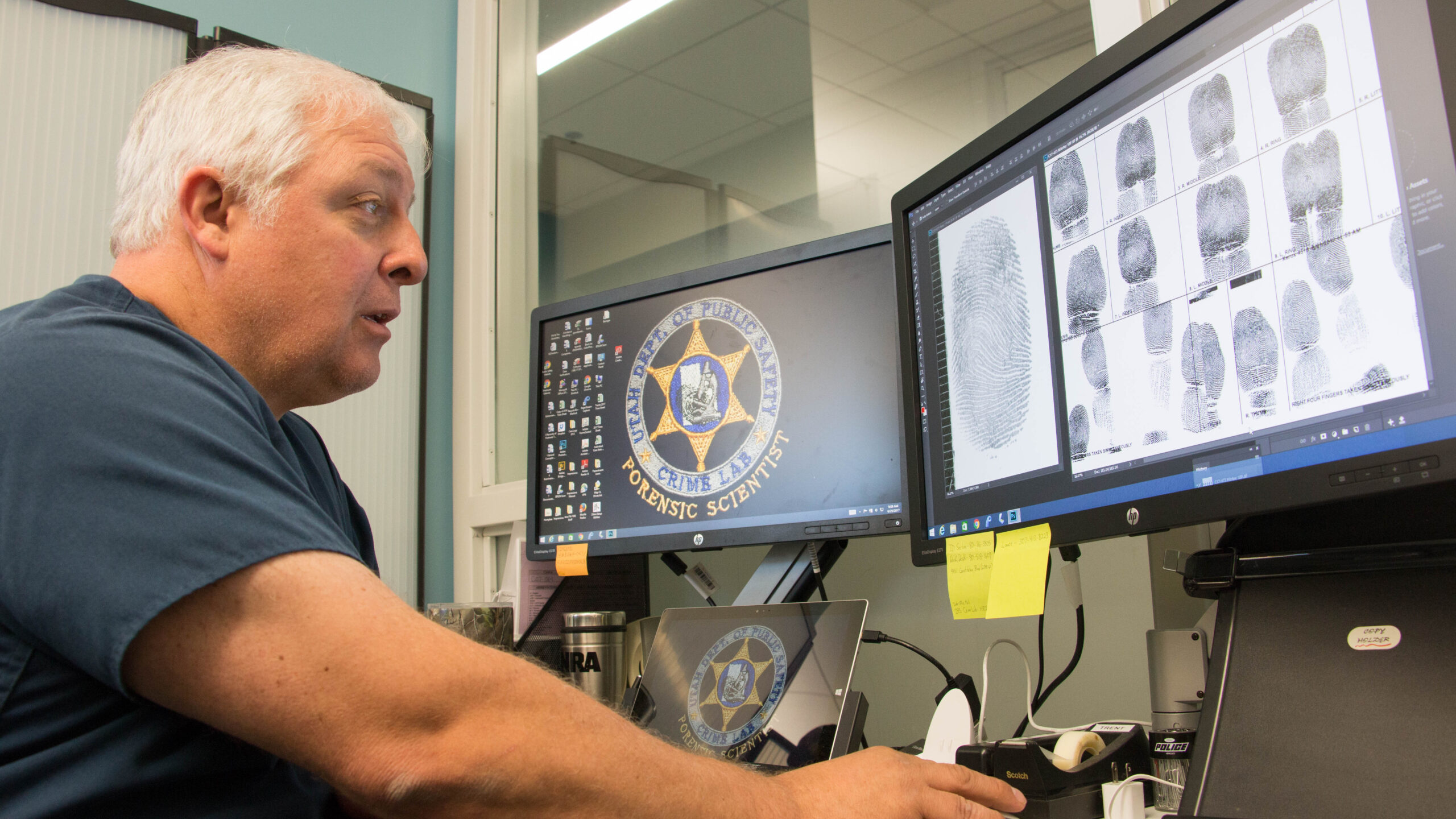
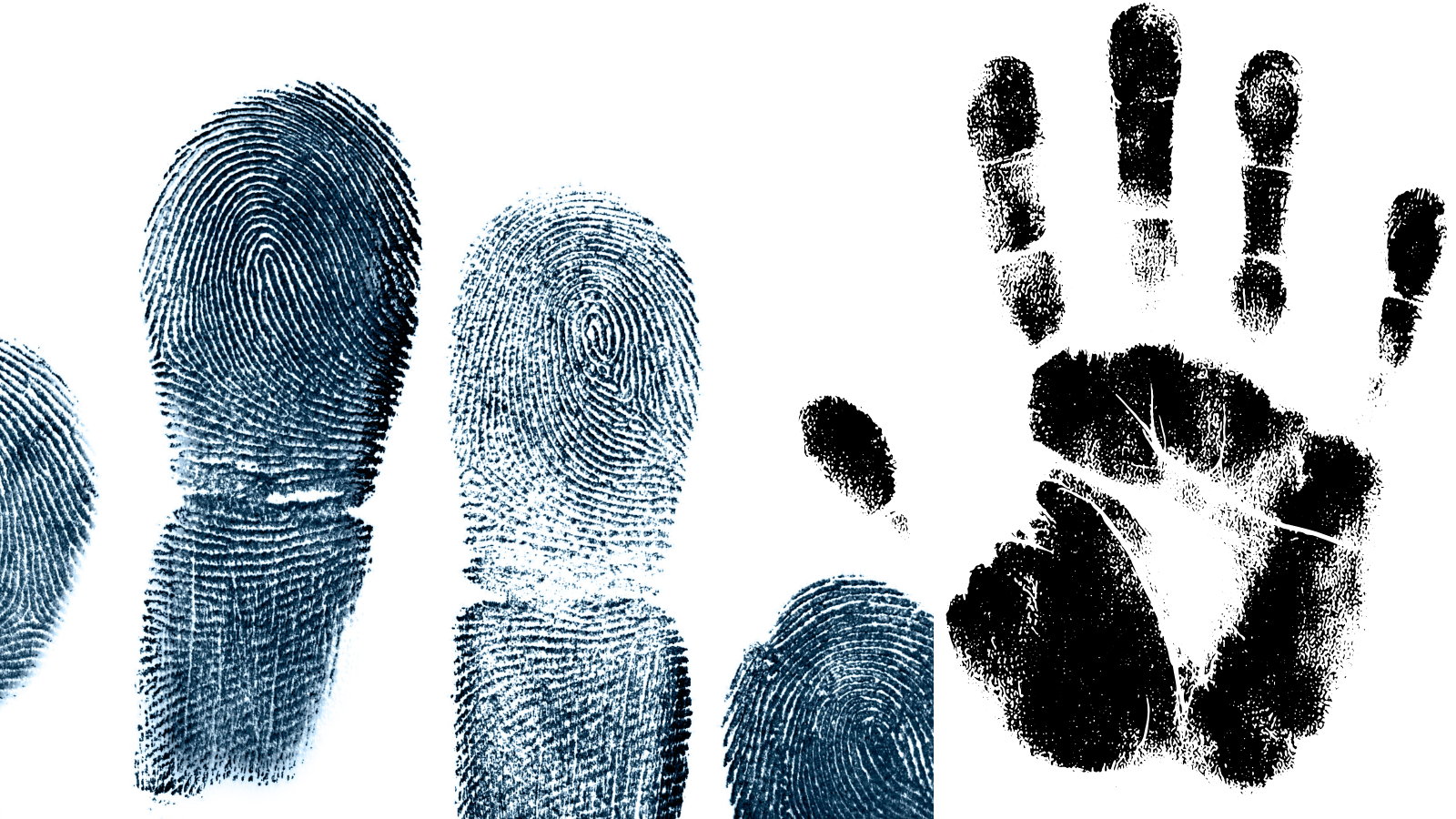
- The Automatic Biometric Identification System (ABIS) is a computerized system that enables law enforcement agencies to quickly and accurately search and compare fingerprint and palm print data.
- ABIS contains databases of known fingerprints (from individuals) and latent prints (recovered from crime scenes)."
- Benefits of ABIS: By using algorithms to search millions of prints in a short period of time, ABIS provides investigators with crucial leads to help solve crimes more efficiently.
How ABIS works
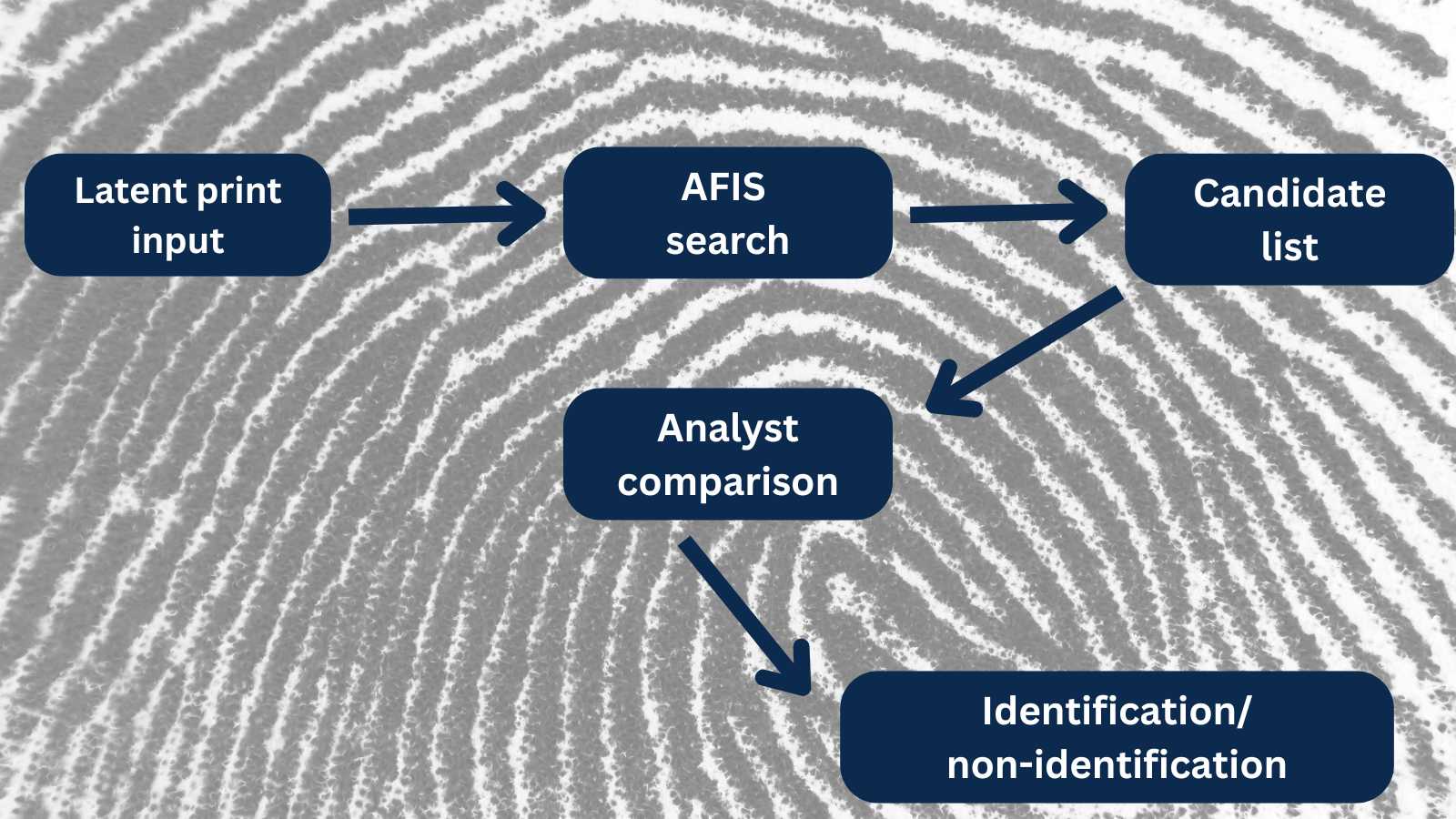
- When latent prints are recovered from a crime scene and cannot be identified to a suspect, victim, or other individual who may have legitimately touched the evidence, they are entered into ABIS.
- The ABIS software searches the database, comparing the unique characteristics of the latent print to millions of known prints.
- ABIS generates a candidate list of prints that are most similar to the latent print.
- Qualified fingerprint analysts then examine the candidate prints and make the final determination of identification or non-identification.
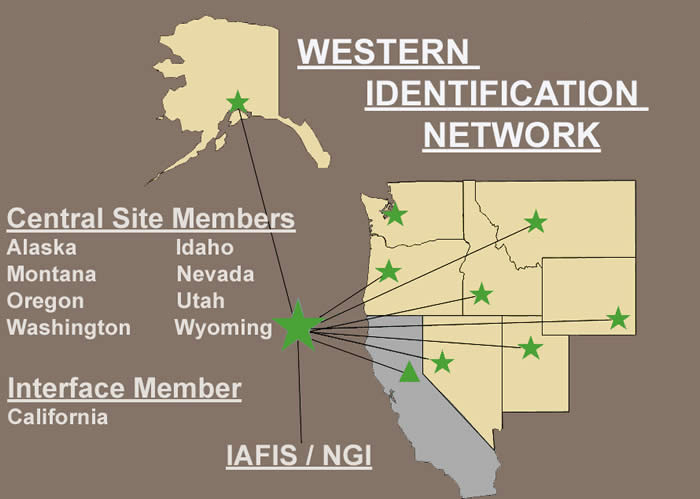
Western Identification Network
- The Utah Bureau of Forensic Services (UBFS) is a member of the Western Identification Network (WIN).
- WIN is a consortium of state and local law enforcement agencies from Alaska, Idaho, Montana, Nevada, Oregon, Utah, Washington, and Wyoming. Learn more about WIN here.
- WIN also includes interfaces to additional state and local agencies in California, as well as in the Federal Bureau of Investigation's Next Generation Identification (FBI NGI). Learn more about NGI here.
- This collaboration expands the reach of fingerprint searches, increasing the likelihood of identifying a suspect across state lines.
Fingerprint and palm print entry and search
- UBFS fingerprint examiners search fingerprints and palm prints in the WIN network and the FBI's NGI network.
- Latent prints that do not result in an immediate hit can be registered within the networks.
- Registered latent prints are continuously searched against new known prints entered into the databases.
- If a known print is similar enough to a registered latent print, the network notifies the fingerprint analyst, and a comparison is conducted.