Firearms Examinations
About Firearms Examinations
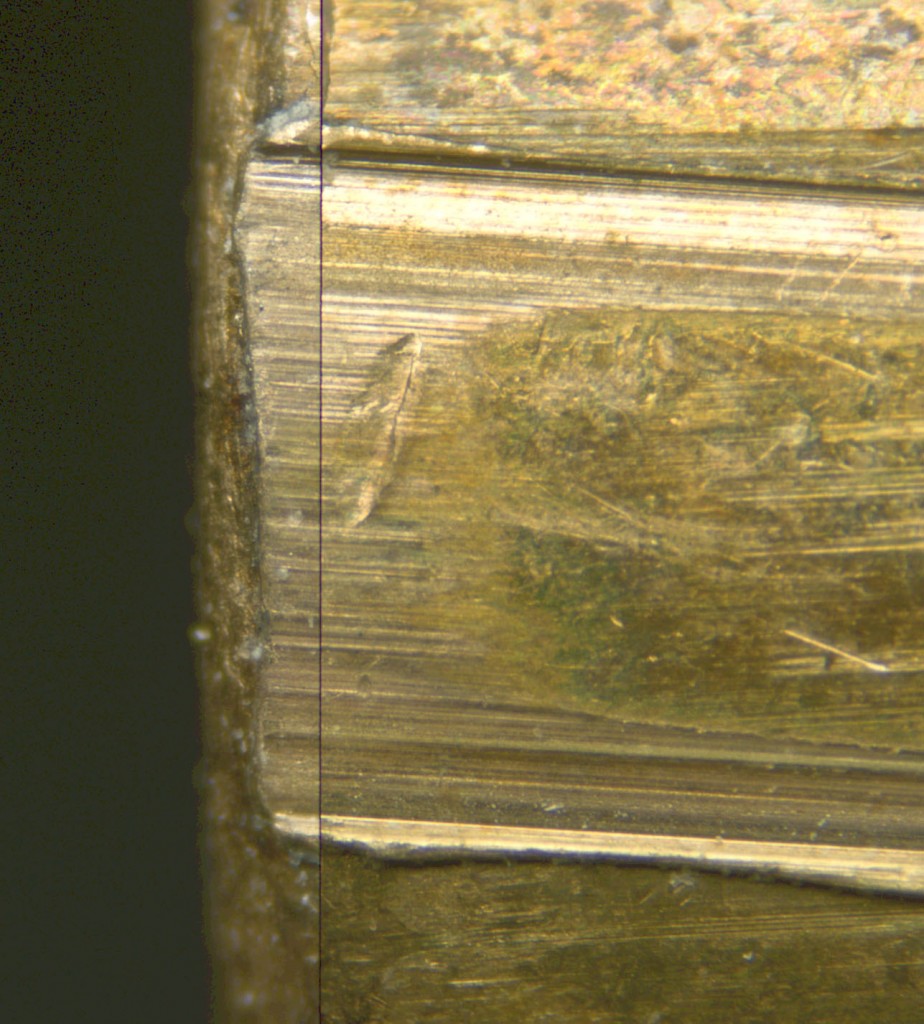
A firearms examination, sometimes called firearms identification, is the process of analyzing fired ammunition components (like bullets or cartridge cases) to determine whether or not they were fired in the same firearm, or if they were potentially fired from a submitted firearm (source determinations). The individual, microscopic markings a firearm leaves on ammunition when it's discharged make this possible.
Here's how those marks are created and analyzed:
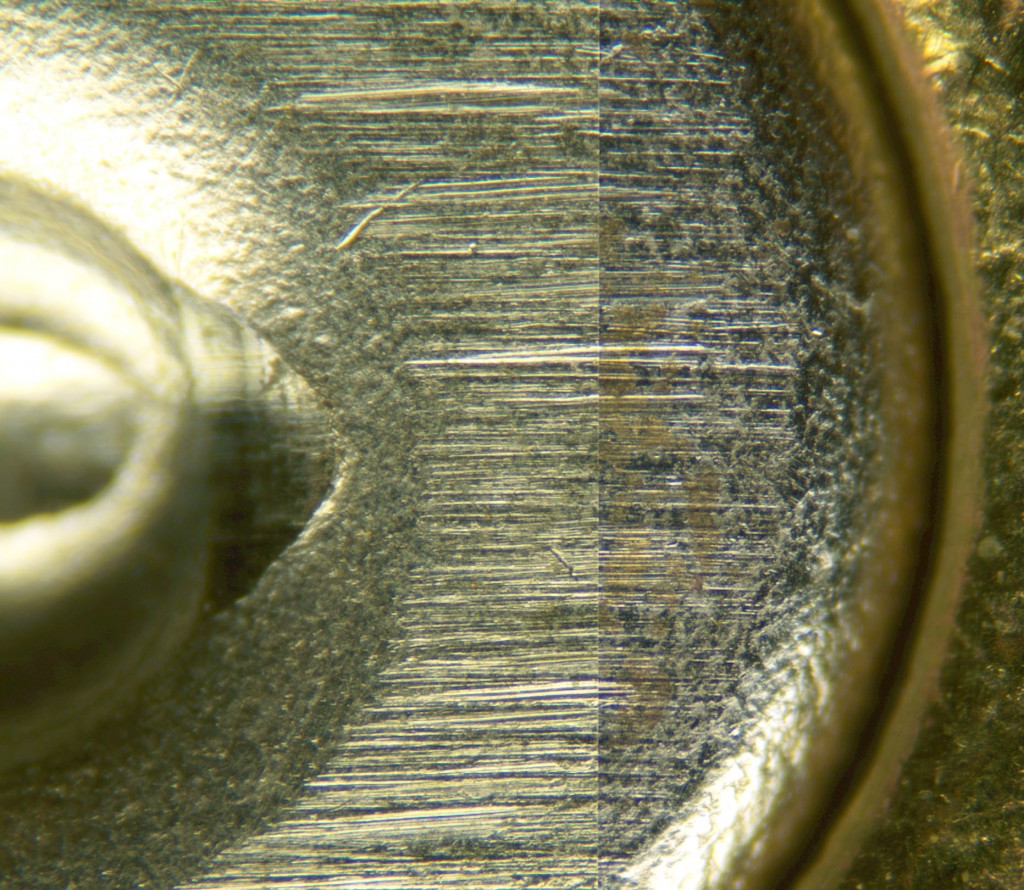
- During the firing process, internal components of a firearm such as the breechface, firing pin, and barrel rifling can impart microscopic toolmarks on ammunition components.
- These microscopic markings (which can be both class and individual characteristics) can be created during the manufacturing process, along with resulting from wear, use, and abuse of the firearm.
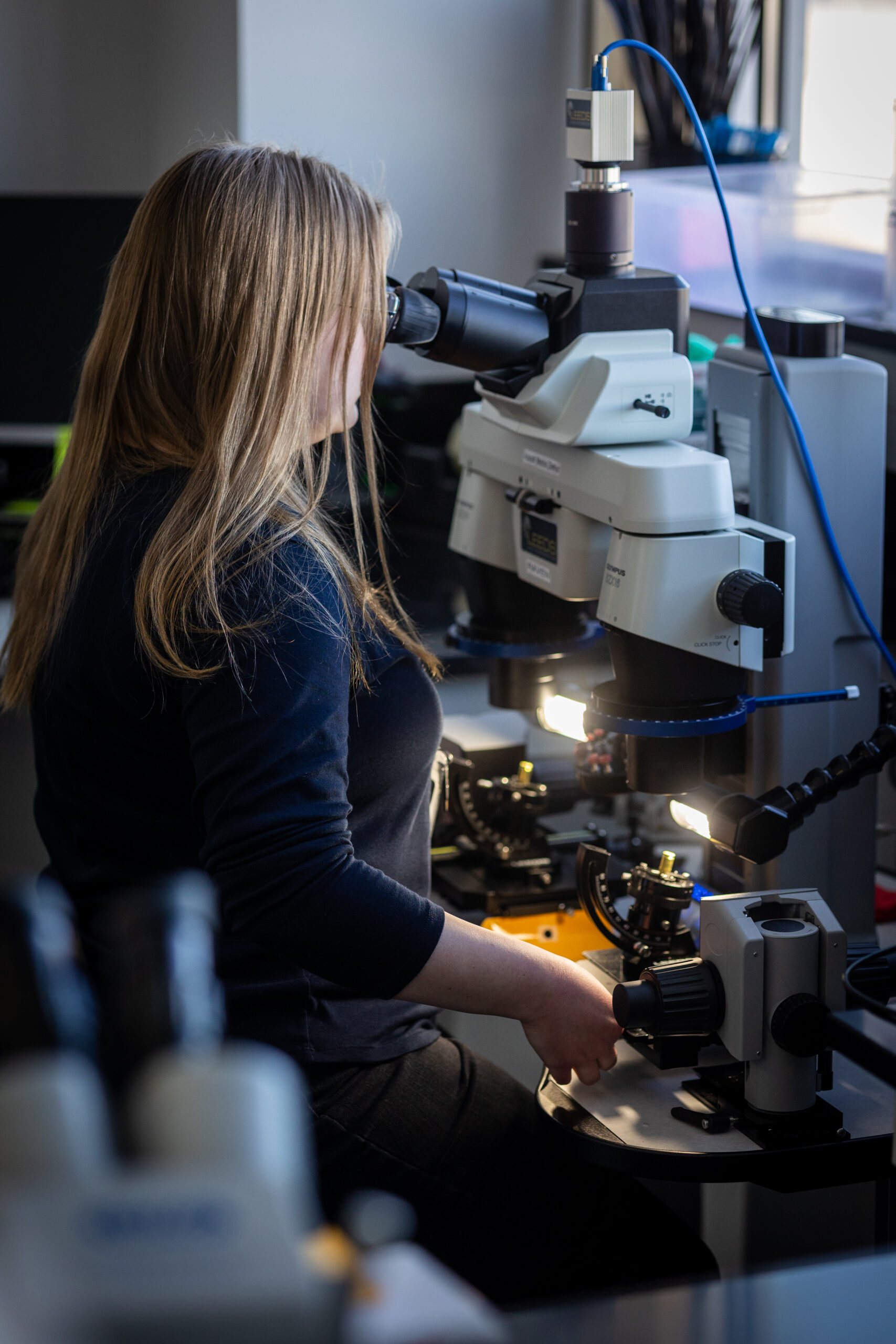

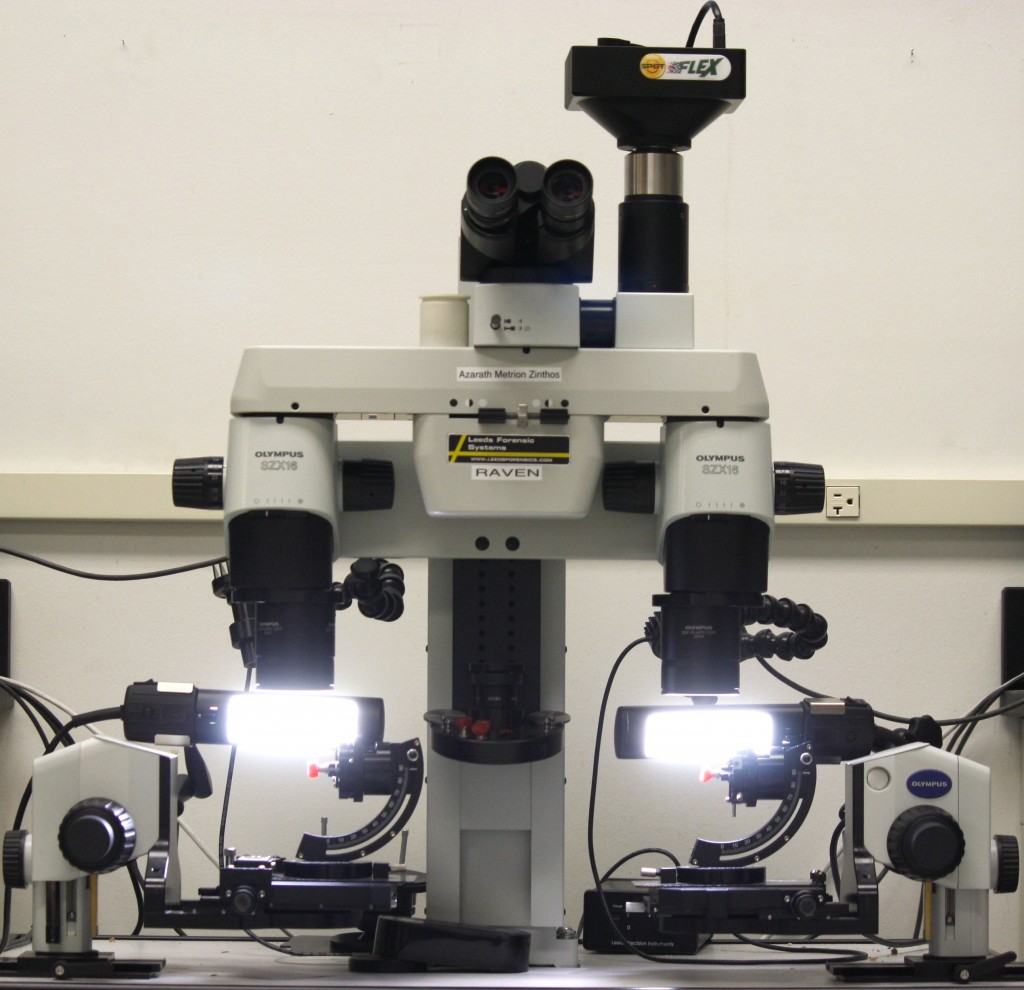
- A comparison microscope is the primary tool firearms examiners use to compare these markings. By comparing the microscopic features on test-fired and evidence ammunition components, an examiner can reach source determination conclusions including identifications, eliminations, and inconclusives.
-
Test-Firing for Analysis
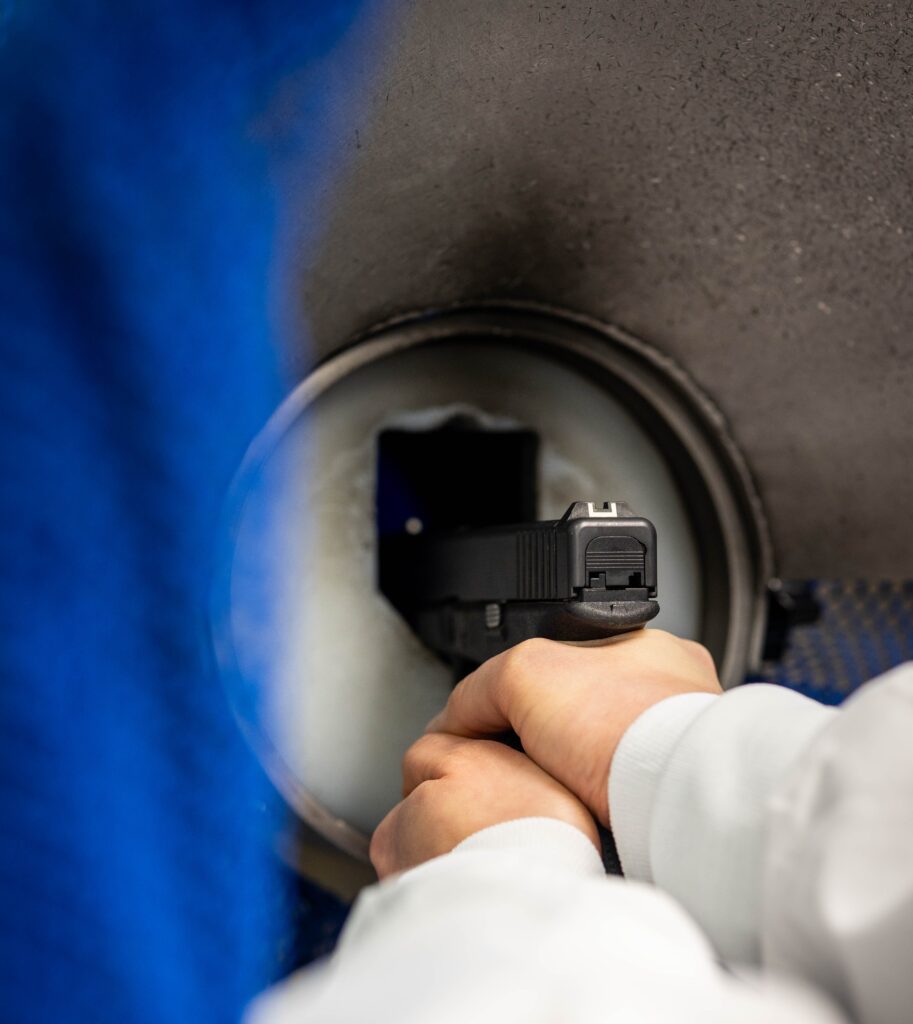
To obtain a known sample for comparison, forensic examiners must safely test-fire a firearm. Test-firing is a critical step that allows examiners to produce a reference sample with the unique microscopic markings of a specific firearm. The two main methods used for this are a water tank and an indoor firing range.
The Water Tank
- Labs use a water tank to test-fire firearms and safely collect bullets for forensic analysis.
- The water gradually slows the bullet, preserving the unique microscopic markings from the gun's barrel.
- Examiners can then retrieve the intact, test-fired bullet from the tank and compare its markings to those on a bullet recovered from a crime scene to determine if the firearm was used in a crime.
The Indoor Range
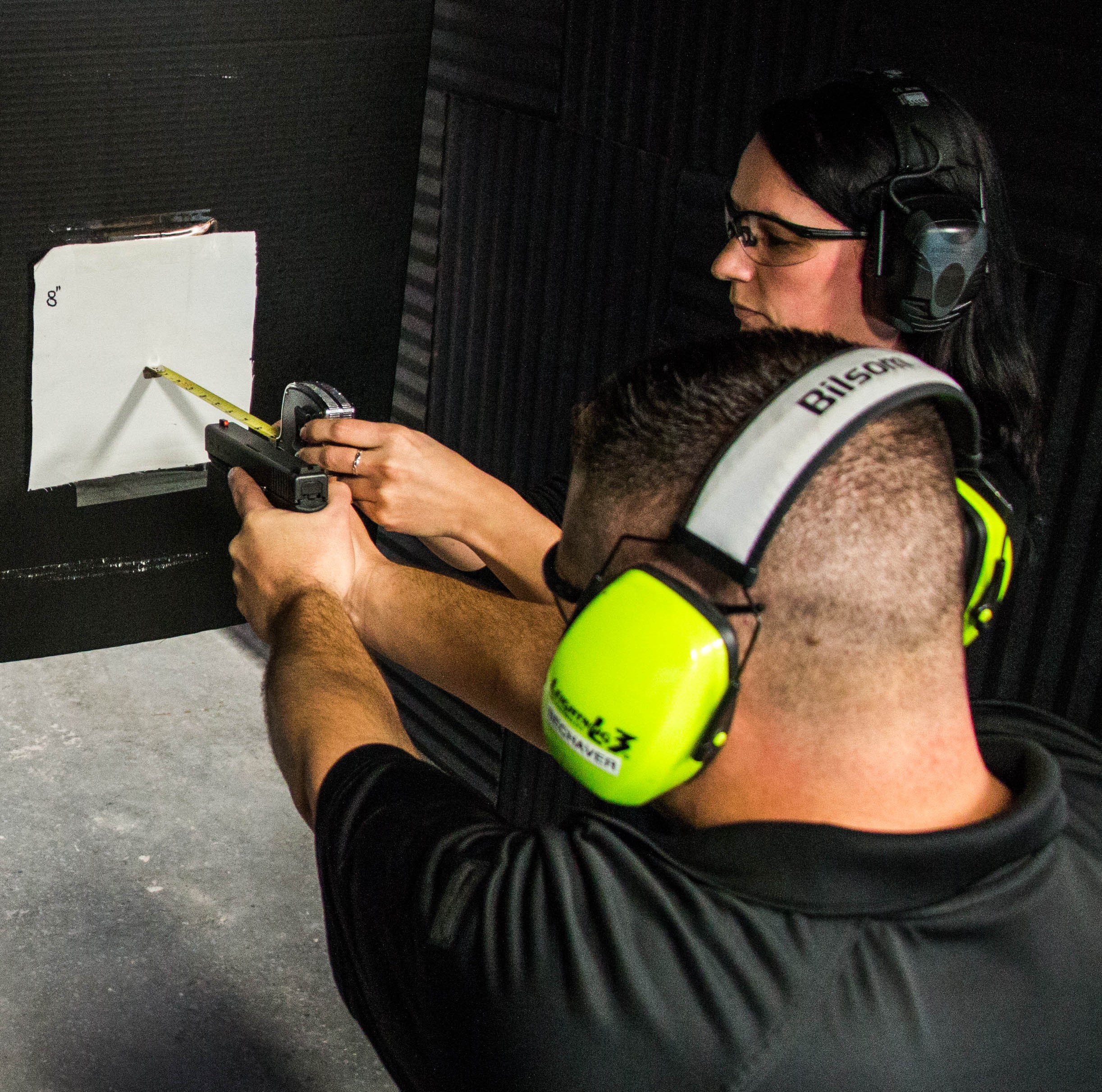
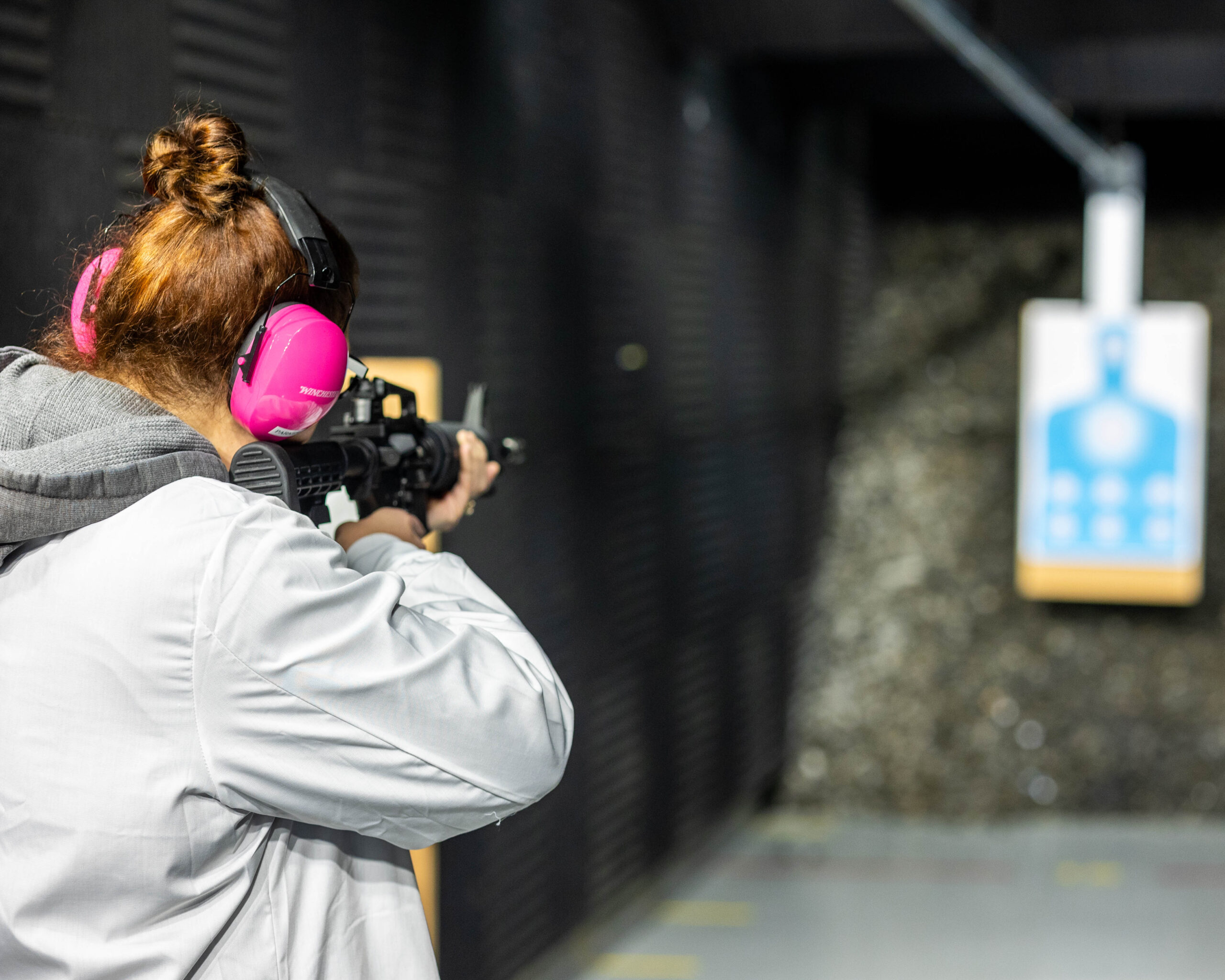
- The lab's indoor gun range is used to safely conduct test fires and perform specialized examinations like distance determinations and shooting reconstructions.
- The range is also used for training purposes.