Specialized Analysis
Toolmark Analysis
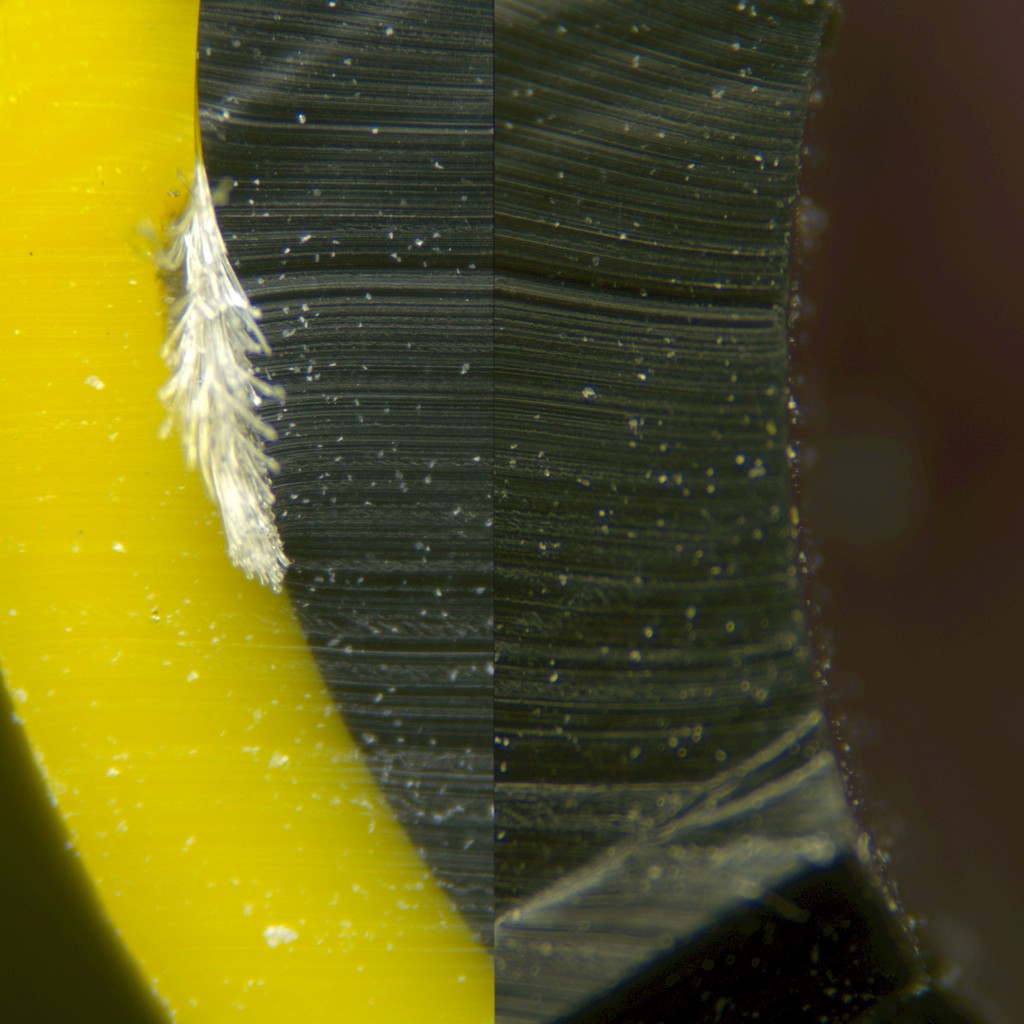
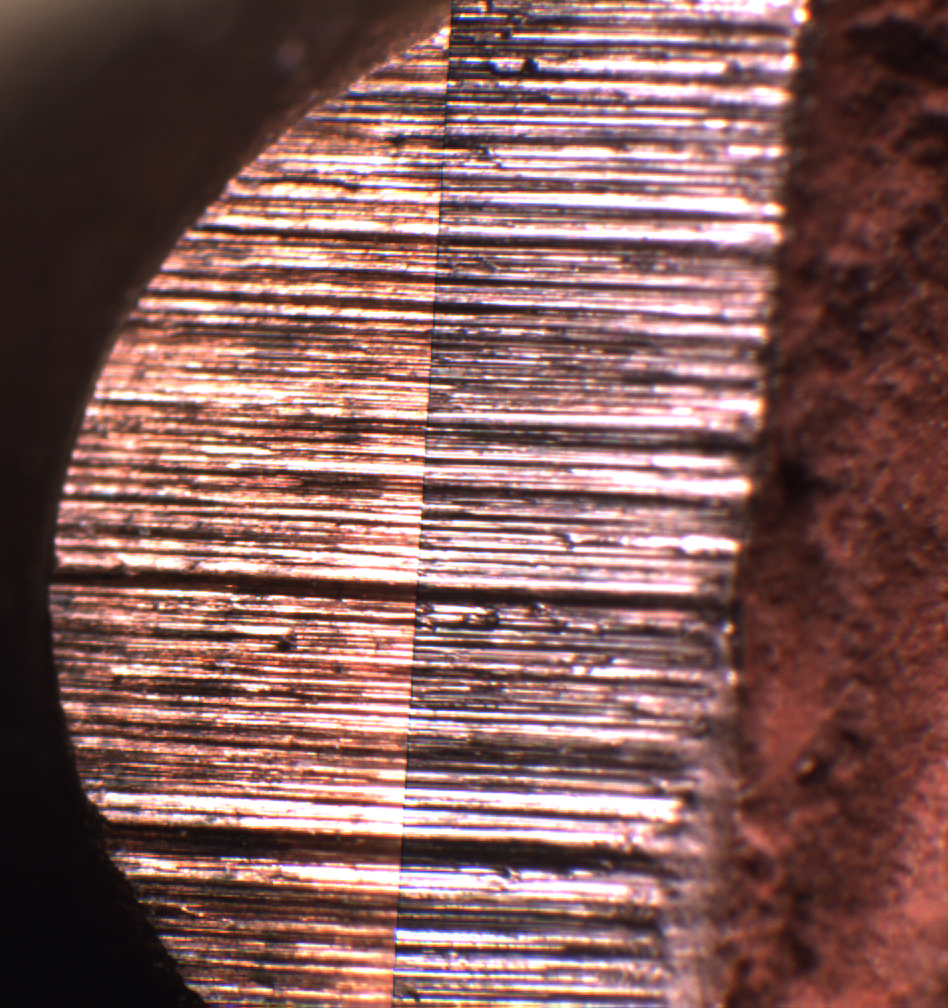
A toolmark is an impression or striations left by a tool when it comes into contact with a softer object. Toolmark analysis involves examining these individual, microscopic markings to determine if they were made by a specific tool.
- Types of Marks: These marks can be either striations (scratches) created by a sliding motion or impressions left when a tool is pressed into a softer material.
- Scientific Basis: The individual markings are based on defects present in the striking surface or cutting surface of the tool. Just as a gun leaves its characteristic markings on ammunition components, tools can often be identified by the marks they produce.
- Applications: Examiners can determine the type of tool used at a scene, such as a knife, wire cutters, or bolt cutters, which can help narrow the scope of an investigation.
Serial Number Restoration
When an item like a firearm or vehicle has its serial number obliterated, forensic examiners can often restore the number.
This is possible because the stamping process used to create the number deforms the metal's crystalline structure below the surface.
Even if the visible number is filed or ground away, the evidence of the number can still remain.
- Restoration Methods: The main method used for restoration involves chemical restoration.
- Investigative Value: Restoring a serial number allows for law enforcement to trace the history of the item through various databases.
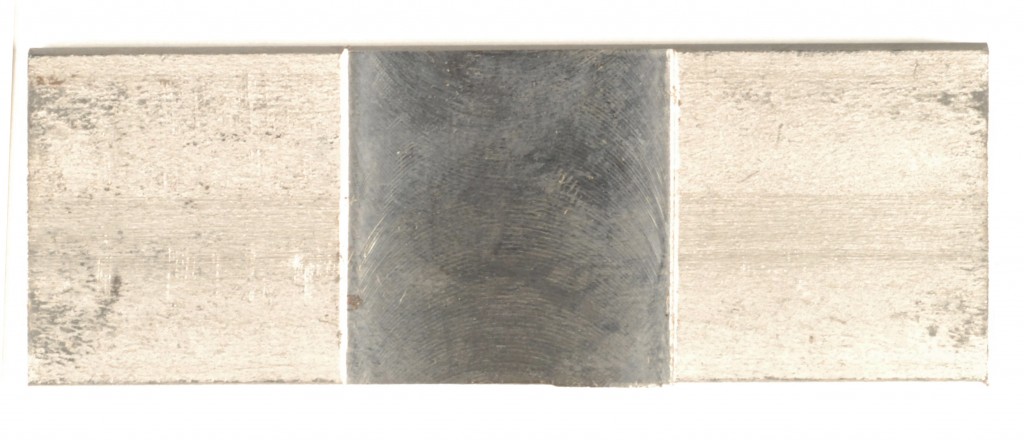

Serial number after restoration
Distance Determinations
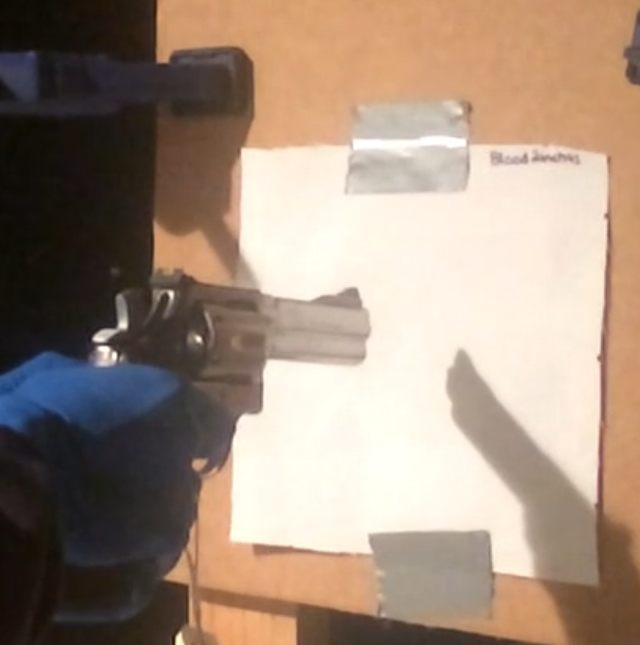
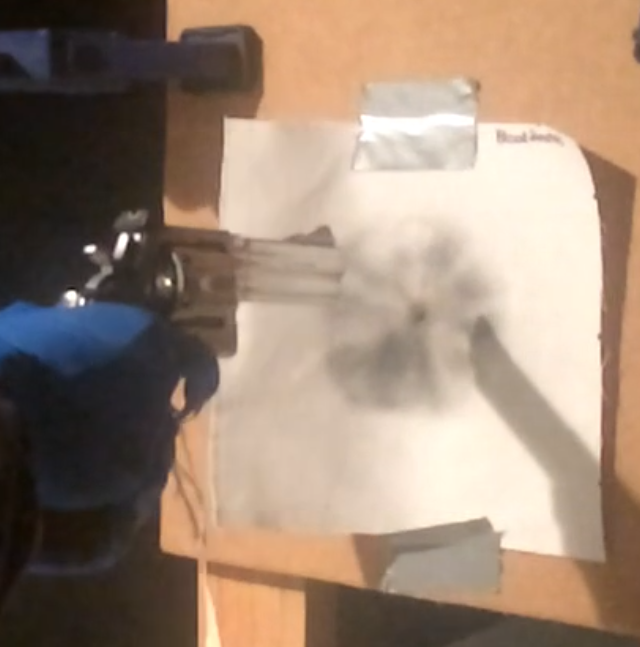
When a firearm is discharged, it expels more than just a bullet. Residues, including those from the primer along with burnt, partially burnt, and unburnt gunpowder particles, are also ejected from the muzzle.
- Muzzle-to-Target Distance: The pattern and density of these residues and particles can vary at different distances. These patterns can also be affected by the firearm and ammunition combination used during an event. By examining the residue and particle pattern on clothing or other surfaces and comparing it to test patterns created with the suspect firearm and similar ammunition, examiners can estimate the distance between the firearm's muzzle and the target.
- Shotguns: A similar analysis can be performed with shotguns by examining the spread of the shot pellets at different distances.
Shooting Scene Reconstruction
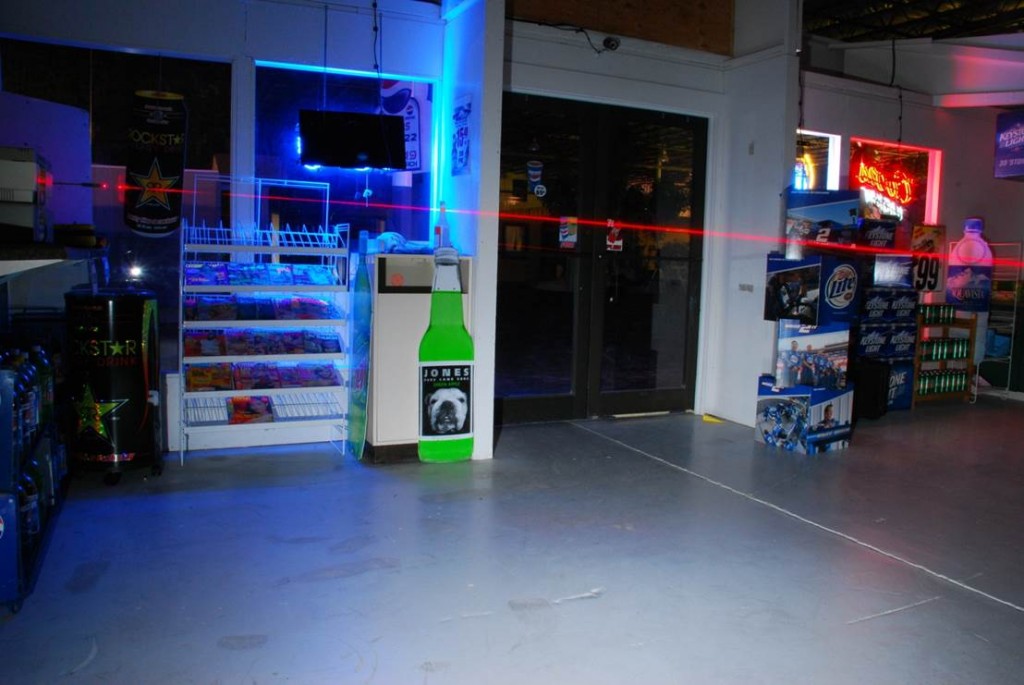
Shooting scene reconstruction is a meticulous process that helps investigators understand what may or may not have happened during a shooting incident. By analyzing evidence from the scene and combining it with forensic analysis and empirical testing from the lab, examiners can help piece together the sequence of events.
- Evidence Collection: Key evidence for a reconstruction includes bullet impacts, trajectories, and physical evidence such as fired bullets and cartridge cases.
- Scientific Tools: Analysts use a variety of tools, from trajectory rods to advanced software, to determine the exact angles and paths of bullets.
- Putting the Pieces Together: The goal of a reconstruction is to define the sequence of events, determine the number and/or sequence of shots, and rule out or confirm possible scenarios. Reconstructions can make sense of a complex scene and provide critical information to investigators, prosecutors, and juries.
Training & Education
Introduction to Firearms and Shooting Scene Reconstruction
The Firearms and Toolmarks Section offers a 3-day class to help agencies understand how to approach shooting scenes and what is helpful for reconstructions. The class covers:
-
An introduction to firearms examinations and the services offered by the UBFS Firearm and Toolmarks Section.
-
Hands-on familiarity with various firearms and ammunition.
-
Bullet impacts, ricochets, and trajectories.
-
Live demonstrations of shotgun projectile dispersions and impacts on vehicles.