CODIS
The Combined DNA Index System (CODIS) is a powerful software and database system used by the Utah Bureau of Forensic Services to link DNA profiles from crime scenes to a vast database of DNA profiles from convicted offenders, arrestees, and other sources.
CODIS and the DNA Database
What is CODIS?
The Combined DNA Index System (CODIS) is a powerful program and database system managed by the FBI.
It allows crime scene DNA profiles to be searched against a vast database of DNA profiles from convicted offenders, arrestees, and other sources to help resolve suspect-less cases.

Utah's DNA database
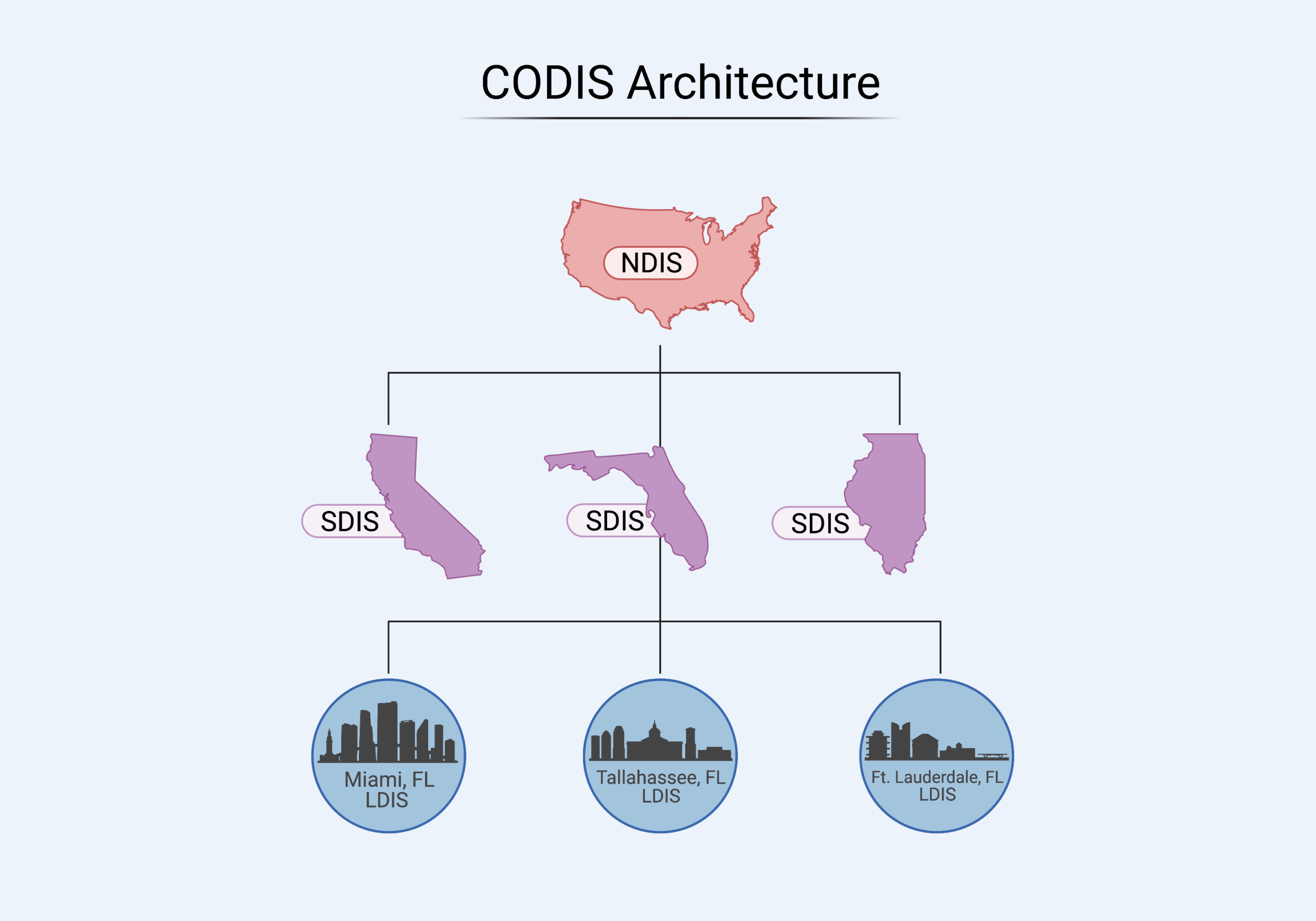
Utah’s DNA Database is part of the State DNA Index System (SDIS).
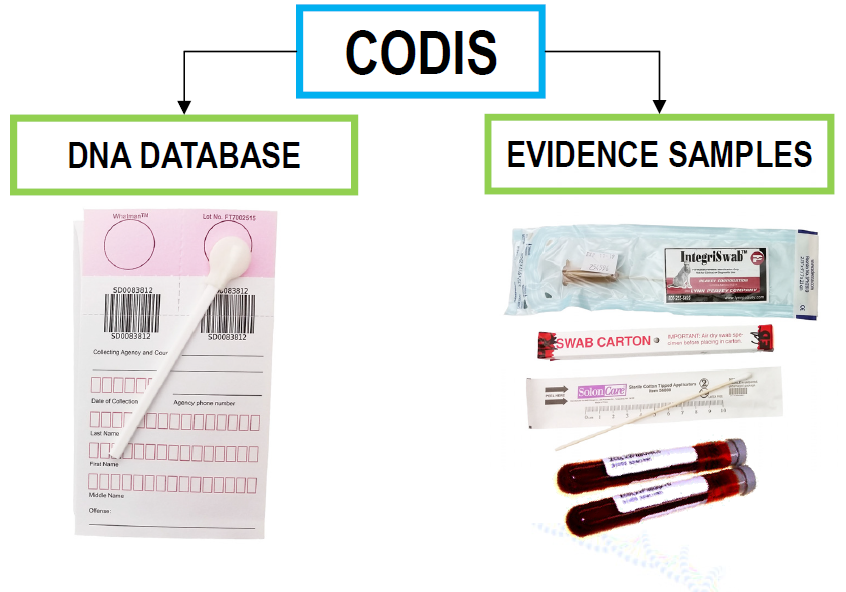
It contains DNA profiles from crime scene samples, convicted offenders, arrestees, and missing persons.
The data is anonymous and does not contain personal information, and it's housed on a separate and secure server.
Sample collection
How we use the database
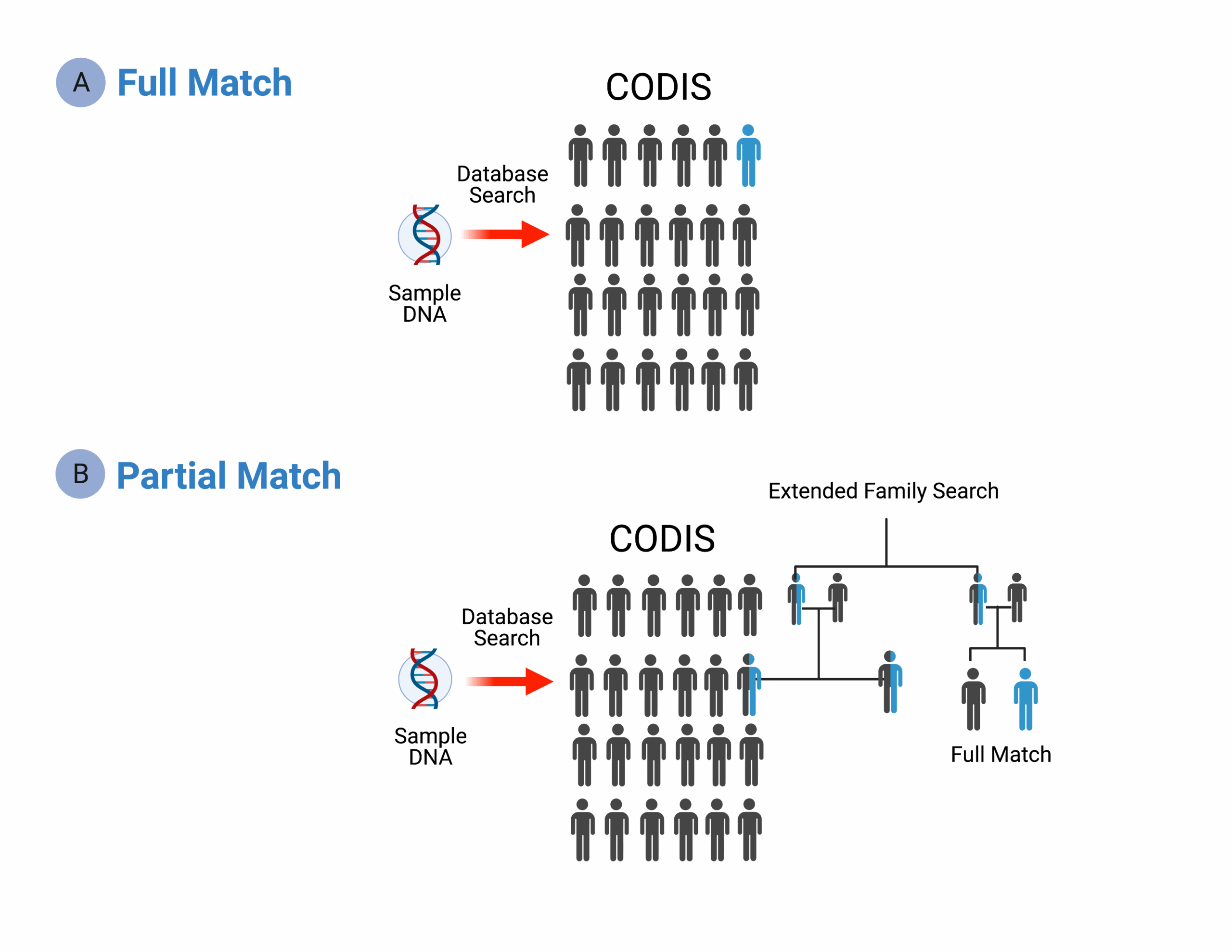
Searches for DNA matches, or "hits," are performed at local, state, and national levels within CODIS.
Verifying a CODIS hit
When a hit is returned, it is reviewed for accuracy by the UBFS CODIS Administrator, who strictly monitors and controls the verification process. This review is done as a precautionary measure to ensure there are no issues with data entry. After a valid hit is confirmed, the law enforcement agency is notified of the match.
The next steps
A CODIS hit provides an investigative lead but doesn't guarantee a prosecution or conviction. The law enforcement agency must then request a new, formal DNA sample from the individual for comparison, which can then be presented as evidence in court.
.
Types of CODIS Hit Reports Which Provide Investigative Leads for Law Enforcement Agencies
Offender hit reports containing personally identifiable information (PII) of the possible offender
- Investigate whether the identified person is the perpetrator of the referenced case.
- For a perpetrator: Collect a reference standard and submit it to the crime lab under the referenced case for statistical analysis. The offender profile from the CODIS database cannot be used for statistical analysis because the DNA specimen lacks a chain of custody.
- If not the perpetrator: Notify the CODIS Administrator at UBFS to have the specimen removed from CODIS.
Forensic hit reports linking to another possible forensic case
- Contact the investigator of the associated case to share and compare case information (inner- or inter-agency)
- If a reference standard from a putative perpetrator was processed by UBFS and the cases are from the same LEA, request UBFS to use the DNA profile to perform a statistical analysis. For inter-agency cases, obtain written permission from the other LEA to use the reference profile developed in their case. Otherwise, if the putative perpetrator can be determined, collect and submit a reference standard to the casework lab.
Definitions
- CODIS Solved Case - A CODIS report with offender PII was issued for the case, or a putative perpetrator's standard was submitted to the casework lab and a favorable likelihood ratio statistic was calculated.
- CODIS Unsolved Case - No offenders were identified in a CODIS search or from direct comparison with submitted casework reference standards.